


Le Gourmet — Reimagining Gourmet Ecommerce for Better Performance & Conversion
How Cyblance modernized a legacy BigCommerce storefront into a fast, personalized, and conversion-ready shopping destination
Project Overview & Objective
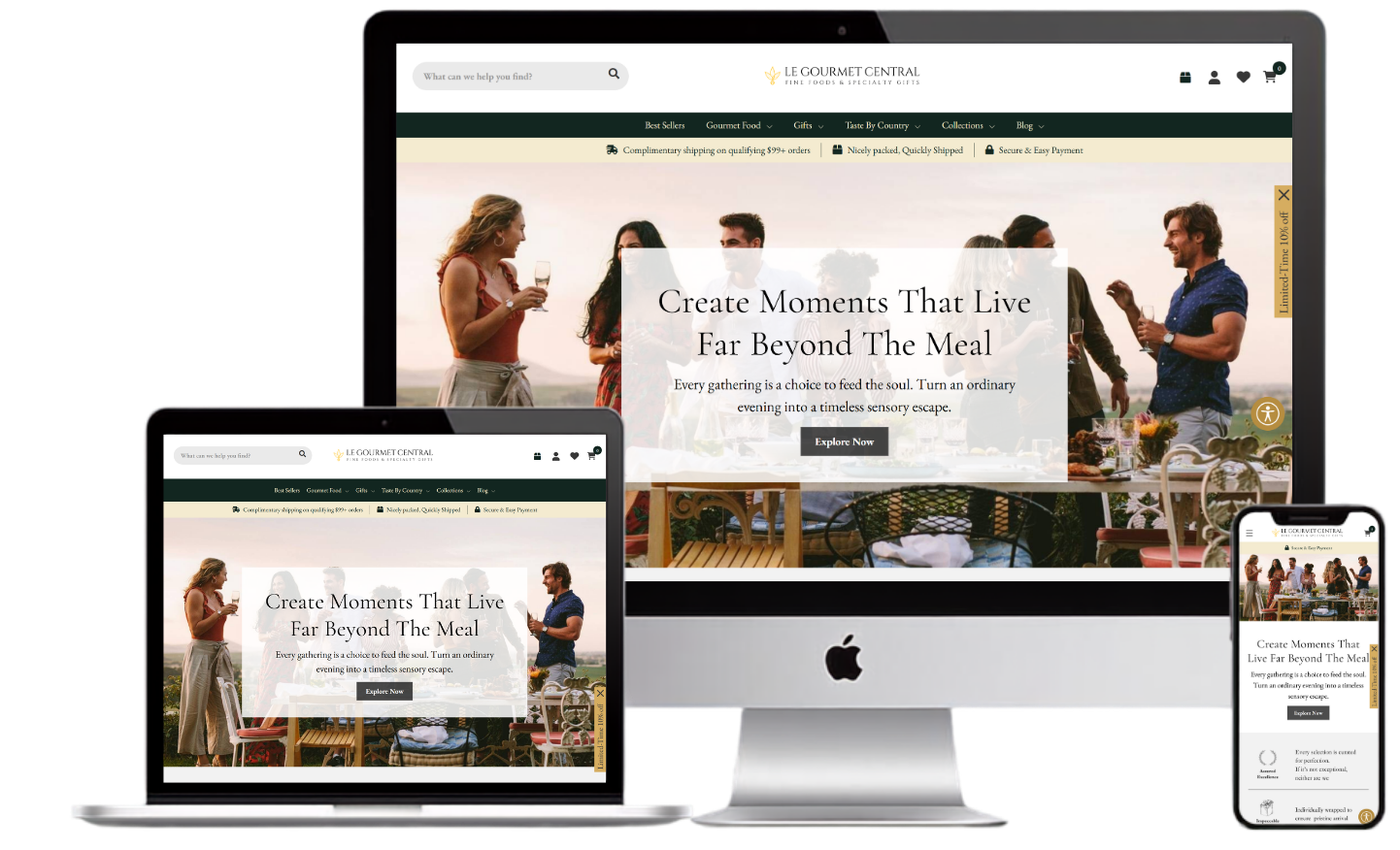
Le Gourmet is a gourmet food and houseware retailer built around a simple promise: a one-stop shop for handpicked, high-quality specialty products. As the brand’s catalog and customer base grew, its online store began to show its age. The owners approached Cyblance with a clear brief modernize the digital storefront so it could match the quality of the products it sold.
The objective of the engagement was threefold: elevate the overall user experience to reflect the premium nature of the brand, improve store performance and reliability at scale, and simplify the path from product discovery to checkout so more visitors converted into customers. Cyblance took on this challenge by redesigning and relaunching the Le Gourmet storefront on BigCommerce, with a sustained focus on speed, usability, and visual appeal.
Where the Existing Store Was Falling Short
A detailed audit of the live website showed that while the store was technically functional, it was quietly losing customers at nearly every stage of the journey. The most pressing issues included:
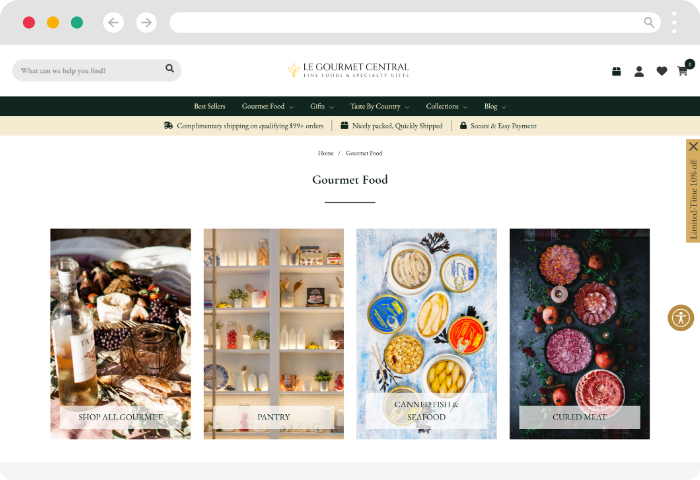
- Outdated design: The storefront relied on a dated visual language that didn’t reflect a premium gourmet brand, with cluttered layouts that made browsing feel like work rather than discovery.
- Legacy theme version: The store was running on an old BigCommerce theme version, which meant newer platform capabilities and third-party integrations simply couldn’t be layered on top.
- Site load time: Slow-loading pages were quietly costing the business traffic and sales, since even a one-second delay is well documented to push shoppers toward abandoning a page before it fully loads.
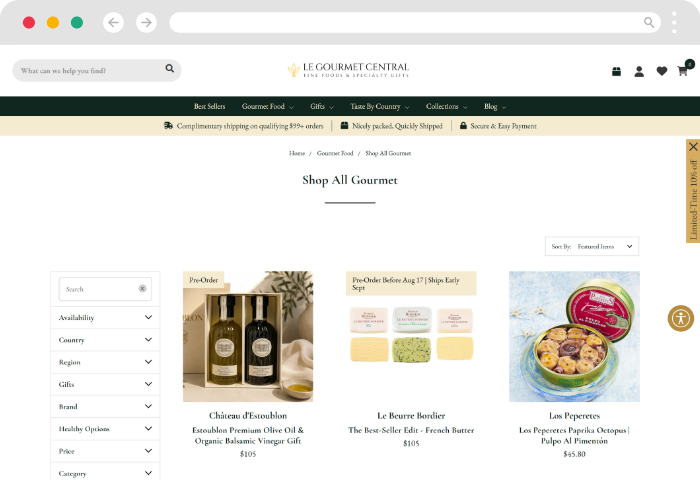
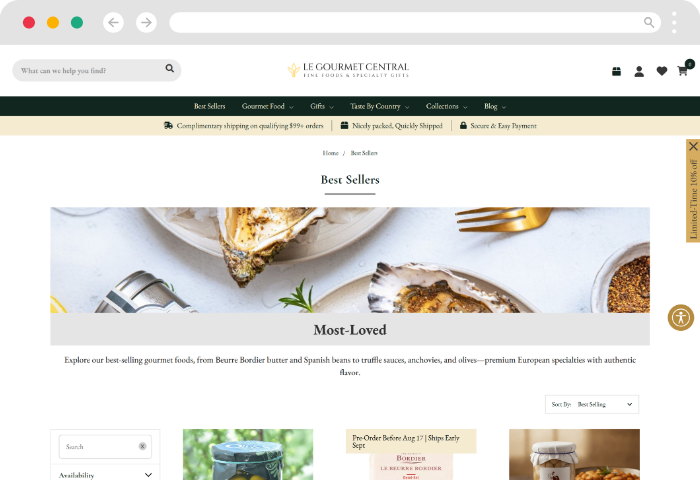
- Limited filter functionality: Shoppers browsing a wide catalog of specialty foods and houseware had only basic filters to work with, making it genuinely difficult to narrow down to the exact product they wanted.
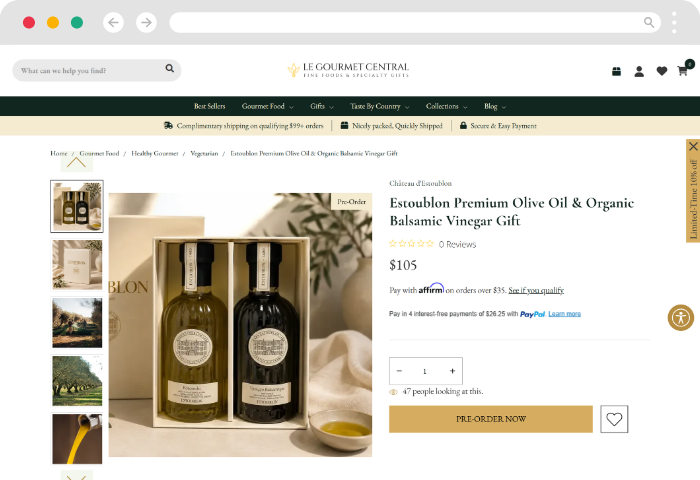
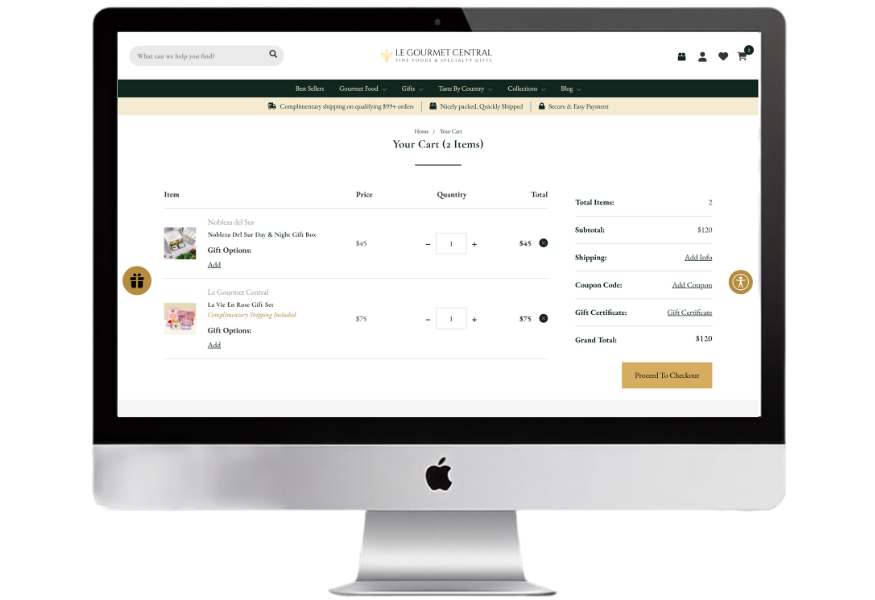
- Unoptimized checkout: A cluttered, multi-step checkout process created unnecessary friction at the exact moment a customer was ready to buy historically one of the biggest drivers of cart abandonment industry-wide.
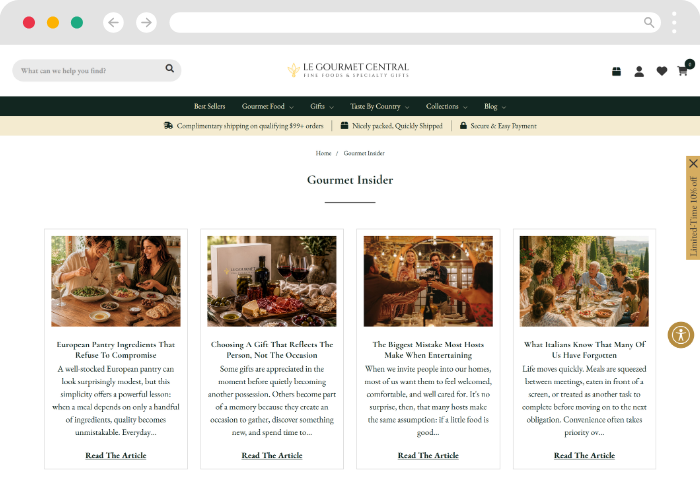
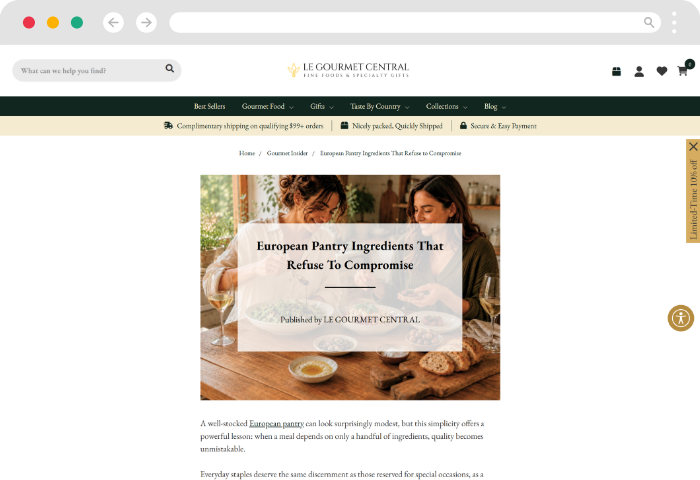
- Underdeveloped blog page: The blog lacked structure and visual appeal, limiting its ability to attract and hold organic search traffic a missed opportunity given how central content has become to discovery in gourmet and lifestyle retail.
Our Approach: A Modern, Trend-Aligned Rebuild
Rather than treating this as a cosmetic refresh, Cyblance approached the rebuild the way modern commerce teams now approach replatforming projects as a system of connected improvements across design, performance, discovery, and checkout, each reinforcing the others. The solutions were also built with an eye on where ecommerce UX is heading: mobile-first browsing, faster and smarter search, and frictionless, low-effort checkout are now baseline expectations rather than differentiators.
Results & Business Outcome
The relaunched Le Gourmet store delivered measurable improvements across performance, conversion, and discoverability:
- Enhanced user experience: The modernized, user-oriented design and improved navigation increased engagement and the time customers spent browsing the store.
- Improved performance: Load-speed optimization cut page load time by 40%, directly improving user satisfaction and reducing the risk of losing shoppers to slow pages.
- Higher conversion rates: The customized, streamlined checkout process reduced cart abandonment by 25%, translating into a noticeable boost in completed sales.
- Better searchability: The upgraded filter functionality made it substantially easier for customers to locate the exact products they were looking for.
- Increased organic traffic: The redesigned, better-categorized blog generated more traffic and contributed to stronger SEO performance for the store overall.
Conclusion
The Le Gourmet project is a clear example of how a thoughtful, full-funnel replatforming one that touches design, performance, discovery, and checkout together can turn a functional but aging store into a genuine growth engine. By pairing proven UX fundamentals with current best practices in speed optimization, intent-driven search, and frictionless checkout, Cyblance helped Le Gourmet deliver a shopping experience that matches the quality of the products on its shelves.
As ecommerce continues to move toward faster, more personalized, and more mobile-first experiences, the foundation built during this engagement a modern theme, an optimized checkout, smarter filtering, and a content-ready blog positions Le Gourmet to keep pace with where customer expectations are headed next.