


A Quick Introduction to How to Build an Auction Website
Auctions are now booming online from what was once an entirely physical bidding process. Building a successful auction website requires more than technical expertise.
This guide presents a comprehensive roadmap for creating an auction from its concept to its launch. We will go through essential steps, from defining the purpose of your auction to creating a user-friendly interface and robust security, ending with marketing strategies.
Whether you are an industry expert or a beginner, this instruction manual will guide you on everything you need to know to build an online auction platform that does the job.
What is an Online Auction Website?
Online auction sites are virtual marketplaces where valuable goods and services are exchanged through competitive bids from buyers and sellers. The sellers list the items, usually with details and pictures of the goods, and state the minimum selling price.
Therefore, interested buyers start bidding and competing to own the item. Auction formats differ, with some offering real-time bidding and others operating on a time basis. The highest bidder claims the item.
The popularity of online auction sites has grown since they allow convenience and worldwide exposure. Everything from collectibles to antiques, electronics, and cars can be purchased through auction sites.
Solid auction houses and online retailers like eBay, Sotheby’s, and Christie’s have changed how people sell and buy, proving their effect on world markets.
Types of Auction Website Models
The English Auction
English Auction is the most common auction model or format in the industry. An Auctioneer provides a special price and then proceeds with small incremental amounts.
The process involves continuous bidding until only one bidder remains; they are declared the winners. The openness allows people to compete with each other as they bid higher than their rivals. Its simplicity makes it open to everybody, and transparent bidding creates trust.
The Penny Auction
Penny auctions are online auction sites or platforms where bidders pay a small fee for every raised bid to increase an item’s price; the auction is then closed at the close of a predetermined amount of time.
The highest bidder takes home the item. Quite the opposite of traditional auctions, penny auctions give most people access to thousands of products and bargain bids. However, this structure has fast-paced bidding and is fee-based systems that influence bidders’ strategies and outcomes.
The Dutch Auction
It is the opposite of the usual bidding script in an auction. The auctioneer starts by naming a high price for the item and gradually lowering it until someone accepts his offer. Companies typically use this format while selling high-priced items or generating funds, creating an urgency amongst bidders as the price drops.
There are fair chances of winning in a Dutch auction compared to auctions with fixed prices since the final price is unpredictable. However, the sudden price drop may scare off casual participants, which is more applicable in specific markets, such as stock sales or selling perishable items.
The Vickrey Auction
It is an exciting twist on the traditional auction. The winning bidder does not have to pay the total bidding amount; on the contrary, they have only to pay the amount of the second-highest bid.
Under-bidding has no strategic advantage, so this eye-catching bidding system encourages open bidding. Vickrey Auction is a reliable and cost-effective auction system that reveals a bidder’s current estimated value of an item.
The Double Auction
A double auction is a type of auction where buyers and sellers participate in the same auction. Here, the buyer and seller can send in their final price. Then, a central system defines a “clearing price.” Buyers offering more than that may buy, and sellers listed below may sell. It’s a bidding war in which a final price is defined through the sum of actions on both sides.
The Sealed Bid Auction
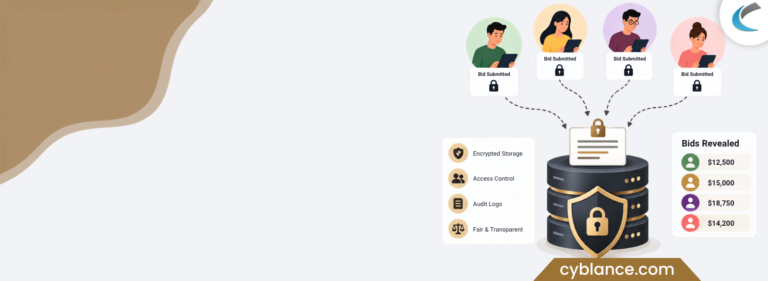
Sealed-bid auctions preserve complete anonymity among bidders. In such auctions, people place their offers secretly and do not know the other’s interests in the goods being auctioned. This invisibility is reasonably fit for sensitive goods or situations that require confidentiality, such as real estate or government contracts. By eliminating the influence of other bids, sealed-bid auctions can often drive final prices higher.
Key Components of Building an Auction Website
Secure Transaction Processing
To build a secure auction website, users should have flexible payment options. A sound payment system will require expert help to protect all data.
A safe payment gateway will help guard sensitive financial information. Multiple payment options other than the most popular ones, like PayPal, must consider customers’ preferences.
The checkout procedure should be smooth and contain confirmation emails to make a user’s experience hassle-free. By having payment options according to the region and needs of each individual, one can maximize conversion rates and increase customer satisfaction on auction sites.
Visuals
Any online auction platform needs to allow for honest communication. A simple messaging system will make it too easy for buyers and sellers to communicate directly by answering questions and detailing information. It could be a direct messaging system or through a hotline, but it needs to be fast and responsive. All that builds trust and ensures everything goes smoothly without a hitch.
Building a Community
Fast, quality images are vital in any reliable online auction website. Your website should support various image visual formats, and the display optimization should suit various smartphones. Multiple photos of the product are also necessary to show off the product. Attractive visuals can boost your website’s sales.
Marketing and Outreach
Spread the word about your online auction website. Use marketing tools to automate the process and generate ideas for advertisements. A good call-to-action button on the product pages can work wonders for sales. The button should be prominent, catchy, and create urgency.
Types of Auction Markets Currently Trending
The auction market has many product categories, especially in this digital age. The industry has changed to new platforms, formats, and regional preferences. The categories discussed below have gained popularity in online auctions.
- Collectibles and antique auctions: In this category, you can sell or buy unique and vintage items that have gained popularity.
- Automobile Auctions: Here, you can buy or sell your used car or other automobiles like bikes, trucks, etc. in these types of auctions.
- Real estate auctions: Real estate auctions allow you to sell your house at auction or auction your farm at your desired price.
- Luxury Goods: In luxury goods, you can auction items like art, jewellery or designed fashion that are flourishing in the market.
Steps to build your auction website that captivates consumers
You need an experienced auction website builder to build and program your online auction website. You can create a fully functional and user-friendly auction website with proper planning and detailed attention.
Step 1: Choose a Domain Name
Your domain name is your online address, so choose wisely! The domain has to be catchy and relevant to your auction platform. It should also be short, easy to pronounce, and unique. This will allow users to get to your website quickly and identify the brand.
Popular registrars, such as GoDaddy and NameCheap, are just some of the few you can contact to reserve your domain.
Here are some suggestions and tips to remember when picking your domain name
- Try choosing in-demand domain names like .com, .org, .net, etc.
- Use Wayback Machine, the largest Internet website archive, to check the history of the domain name.
- Examine the domain’s popularity score using SEO tools likeAhrefs, SEMRush, Moz, etc.
Here is a bonus tip: if you’re already hosting your domain elsewhere, point it to the auction platform’s new server and renew it to avoid losing it.
Step 2: Get a Web Hosting Account
Web hosting simply gets your auction website up and running; it is the digital space where the website will be located. When getting a web hosting account, pay attention to the following steps.
- Decide on your hosting needs for the website.
- Analysis of the various web hosting providers.
- Pick up a suitable hosting plan.
- Link your domain to the hosting account.
The right hosting plan for you will depend on your needs, budget, and the volume of traffic visiting your website. Shared hosting is more economical for small websites, while a dedicated server provides more performance and security for high-traffic sites or companies with special requirements.
Step 3: Define the Model of Online Auction Website
Choose very carefully when selecting an auction format. Choosing a model for an online auction website is always crucial to getting it right and guaranteeing success for your website. You will be informed by set factors like items to be placed for online auction, target audience, competition, and budget. Different markets require different types of formats, and knowing these details will help you create a platform that appeals to your users.
Step 4: Enlist the Core Features of Your Auction Website
An essential auction site needs these features to make a competitive auction platform.
- User profiles: User profiles are necessary for personalising the auction. By providing registration and login forms, users can create an account, manage their bidding history, save preferences, and generally enhance engagements.
- Item listing: Buyers log in to list items on the auction platform and edit or delete them. Each listing must have detailed descriptions, high-quality images, videos, and customer reviews that entice customers to buy.
- Bidding functions: The bidding system your auction platform implements should be versatile. It should accommodate a variety of auction formats and strategies that best suit diverse buyer preferences and changing market trends.
- Secure payments: Secure payment processing is relatively basic for any auction platform. Integrating popular payment gateways like PayPal or Stripe allows buyers to enjoy seamless checkout.
- Shipping options: Effective shipment is critical to customer satisfaction. A good shipping feature should calculate precisely how much the delivery will cost and how long it will take. The option also ensures timely delivery of orders.
- Messaging: Good communication is the key to the success of any auction. Your website should allow buyers and sellers to communicate freely with each other in case of inquiries or problems.
- Ratings and analytics: Trust can be established through user reviews and credibility through ratings. A buyer and even a seller should be able to provide feedback about items and vendors, thus assisting other buyers.
- Search Engine: Auction sites should have a search bar that allows customers to find their desired product pages quickly and improves their browsing experience by easing the process of searching.
Other extended features include
- improved user and auction management
- Who is your target audience?
- What are your business goals?
Step 5: List Technical Requirements
After defining the features of your auction site, you need to specify the technical requirements, namely:
- Structure of the website: The structure and hierarchy decide a user’s navigation flow, thus impacting the ease of access to information and the overall user experience by organizing content logically and intuitively.
- Wireframes: A rough design for how your auction website should look.
- Desired page loading speed: Your web pages’ loading speed impacts both search engine rankings and customer satisfaction. Faster loading times increase user experience while making your site operate more efficiently.
- Compatibility with devices and browsers: The ability to work well across various web browsers and devices.
- Laws and regulations: The website shall, therefore, comply with all applicable laws, rules, and standards. This could include GDPR, HIPAA, and PCI DSS, which allow legal requirements for a website to be aligned with the proper protection and treatment of users’ data.
Precise technical requirements will simplify development and resource optimization and ensure that your auction website meets user expectations and legal requirements.
Step 6: Finalize the Tech Stack for Building an Auction Website
A well-defined tech stack is needed at the ground level for a custom auction website’s functionality, security, and scalability. The following points organize it into major constituent parts:
- Frontend: HTML, CSS, and JavaScript have to be used mandatory. Still, React or Vue.js can provide some impetus for development speed and efficiency.
- Backend: PHP, Laravel, Python, etc., are some languages powering server-side logic that handles user interaction and data processing.
- Database: MySQL or MongoDB securely holds data from auctions and items.
- Payment gateway: Stripe, Braintree, or PayPal assure secure and seamless transactions.
- Messaging API: Twilio, SendGrid, or Mailchimp update users with notifications and Messages.
- Analytics Tools: Google Analytics and Mixpanel are tools you can use to trace user behaviour and website performance.
- Cloud services: To ensure that your website faces no problems in case of increasing traffic, scalable hosting platforms like Amazon Web Services or Microsoft Azure are used.
The right technology stack is essential. Depending on technical requirements and project complexity, your development team will suggest specific tools to ensure optimal performance and the best user experience.
Step 7: Craft Website Design with website developers
An attractive auction site is essential for successfully attracting and maintaining users. This begins with a clean and intuitive interface, complete with easy navigation. High-quality product images, highlighted auction details, and a consistent color scheme enhance the user experience. Reliable payment options and transparent refund policies instill trust in your users. Engaging features like daily deals with a friendly user design will have them returning.
Some tips to create attractive UI/ UX design for auction website
- Wireframes to Visuals: Using your website blueprint, turn this into a design with a logo, color theme, and page layout.
- Focus on user experience: Ensure the website is easy to navigate and has a beautiful UI.
- Prioritise the visual appeal: Through quality images and consistent design for user reach and retention.
- Set up a strong brand identity: With color palettes and design elements for brand image consistency.
- Optimize User Interaction: The design should consider the ease with which the user can find information and accomplish actions.
Step 8: Develop a Minimum Viable Product (MVP)
MVP, which stands for Minimum Viable Product, is a fundamental concept. It represents a basic yet operational version of your product that encompasses its essential features and serves the purpose of testing the feasibility of your idea. Creating an MVP provides the opportunity to gather user feedback, refine your concept, and then progress to full-scale product development.
MVP development is a prudent decision for both startup entrepreneurs and established businesses venturing into new products. Rather than committing all their resources to complete product development right away, organizations begin with an MVP. This approach allows them to confirm user interest in their product and expand the solution by introducing new compelling features.
Step 9: Test & Launch Your Auction Website
Once all the development has been done, rigorous testing is needed to ensure the auction website works perfectly. This testing should encompass finding and rectifying bugs, checking security, and verifying the general performance. Only after such thorough testing can the website be launched.
An auction website is something other than something that would work independently. It requires continuous work and investment in further development. That goes without mentioning updates, security patches, performance optimization, etc. There are ways through which additional features and functionalities may be added to the platform; for example, what is commonly referred to as “add-ons,” verification services, and analytics tools that will further enhance faith in the user’s and business acumen, respectively.
Remember that launching is only the beginning. Improvement and adaptation must continue if you want long-lasting success.
Build Your Auction Website with Us
An auction site will need planning and implementation, as well as experienced developers. Attention to detail, deep technical expertise, and insight into user needs are essential to creating a competitive platform.
As such, the best assurance for seeing your vision of the auction website come alive and giving you a winning edge in the online marketplace is through collaboration with a qualified and skilled development team.
This is where Cyblance can be your ideal extended team to build your online auction website. Our certified and experienced website developer has a record of building high-performance websites, specifically auction websites. Let us help you to turn your vision into reality. Do not hesitate to contact us for more queries or if you need any assistance.